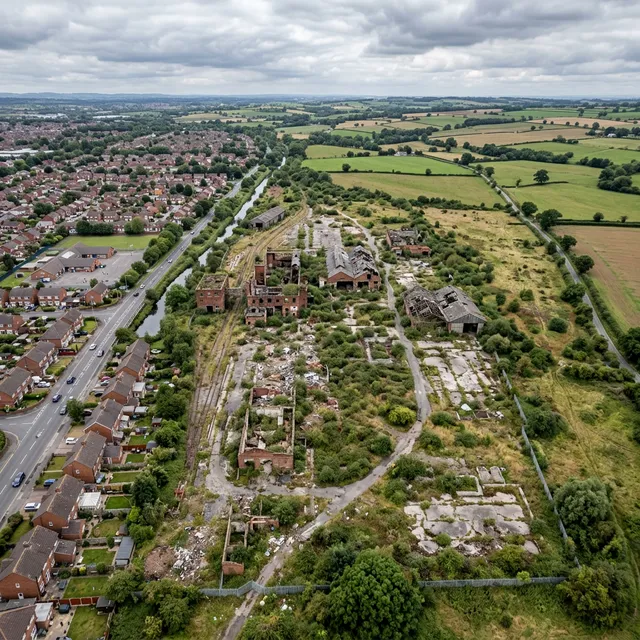
Found a site nobody is selling
Most of the sites worth having are not on the market. You spot them on the brownfield registers, from the road, or on the free check’s map — and the first real question is always the same: who owns it, and how do you ask them properly?
To be clear about what this page is: we do not hold, sell, or display ownership information, and this is general guidance rather than legal advice. What follows is the route anyone can take through the official services, and what makes an approach land well when you get there.
The £7 answer
For registered land in England, HM Land Registry sells an official copy of the title register for £7 through its Search for land and property information service. The register names the registered proprietor and their address for service, and the title plan shows the registered extent. Two cautions worth the price of knowing: the registered extent is not always the fence line on the ground, and a site you have drawn can cross several titles — buy the copies for each.
The parcels shown on our map are HM Land Registry INSPIRE index polygons: indicative extents only, never the legal boundary, with no ownership information attached. They are useful for seeing where title boundaries probably run before you spend the £7 — nothing more.
When the register does not answer
A meaningful share of England’s land is still unregistered — typically land that has not changed hands since compulsory registration reached its area. If the search returns nothing, the practical routes are local: neighbouring owners usually know, parish councils often know, and a solicitor can make enquiries without naming your interest. An owner who cannot be found at all is a real risk flag, not a shortcut — options and insurance products exist for it, and that is solicitor territory.
Making the approach
Landowners are approached constantly, and most letters go in the bin because they are vague, greedy, or both. The approaches that get replies share a shape: they are specific about the land, honest about the planning position, and clear about the structure being offered — an outright purchase, an option (you pay for time to try for permission), a conditional contract (the sale happens if permission is granted), or a promotion agreement (a promoter funds planning and shares the uplift). Which structure fits is a commercial judgement for you and your advisers; knowing the vocabulary is what gets the conversation started.
What to bring
The single strongest thing in an approach is evidence you have done the work. Run the free check on the land and email yourself the PDF: the designations at the site, the council’s own decision record, the local plan position — dated and sourced. An owner who sees a serious, factual read of their land treats the approach seriously. For the meeting after the reply, that is what the full report is for: the whole site, assessed, with the evidence behind it.