Planning & Regulation Mar 17, 2026 3 min read
Nutrient Neutrality: Catchments Are Unlocking — Is Your Stalled Site Next?
Nutrient neutrality: Natural England is reviewing catchment boundaries and lifting requirements where conditions have improved, unblocking stalled sites.
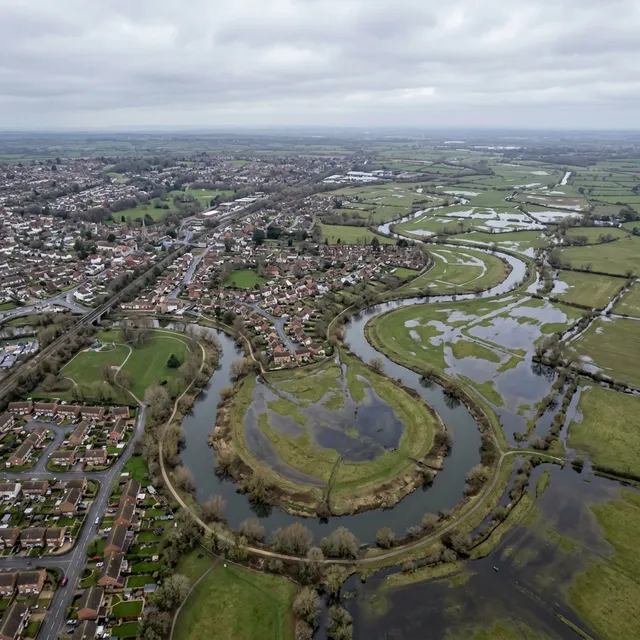
Since 2022, nutrient neutrality has been one of the most significant barriers to housing delivery in England. Natural England's advice to local planning authorities — that new developments must demonstrate they will not add to nutrient pollution in river catchments with protected habitats in unfavourable condition — has blocked tens of thousands of homes across the country. Entire local authority areas have been effectively frozen, unable to grant planning permission for residential schemes of any size. That picture is now changing.
Catchment Reviews: The River Eden Breakthrough
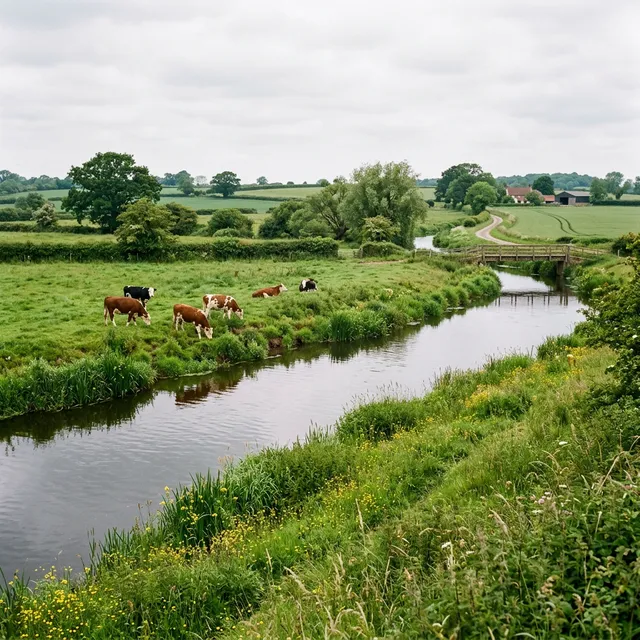
Natural England has begun reviewing catchment boundaries, and where environmental conditions have improved, it is removing nutrient neutrality requirements. The most significant change so far has been in Cumbria, where the River Eden catchment boundary was revised in early 2026. This single change removed nutrient neutrality requirements from major urban areas including Carlisle, unlocking around 50 stalled planning applications and over 500 affordable homes. These applications can now move through the planning system without needing to demonstrate nutrient neutrality.
The River Eden is unlikely to be the last catchment to be reviewed. Natural England is conducting ongoing assessments of water quality data across all affected catchments, and where monitoring shows that nutrient levels have improved — whether through investment in wastewater treatment, agricultural practice changes, or natural recovery — the advice can be updated. For developers and landowners with sites in nutrient neutrality catchments, this means the constraint that has blocked your site for years may not be permanent.
Which Catchments Are Affected Across England
The affected catchments span a wide area of England. Key areas include the Solent (Hampshire and parts of West Sussex), the Somerset Levels, the Stour catchment in Dorset, river systems in Norfolk and Suffolk, the Tees and parts of County Durham, catchments in Herefordshire and Shropshire, and areas around the Broads in Norfolk. Within these areas, thousands of allocated housing sites have been unable to progress through planning. Any review that reduces or removes the nutrient neutrality requirement in these catchments would unlock significant development potential.
Market-Based Nutrient Credit Solutions
For developers who cannot wait for a catchment boundary review, there are now market-based solutions. A new Conservation Covenant mechanism launched in early 2026 allows developers to purchase verified phosphorus and nitrogen credits generated through septic tank upgrades. This is the first scheme of its kind in England and represents a practical, commercially available route to nutrient neutrality compliance without relying on the traditional approach of building constructed wetlands or securing agricultural land use changes.
The Nature Restoration Levy, introduced by the Planning and Infrastructure Act 2025, will provide an additional route once Environmental Delivery Plans are adopted for affected catchments. Under this mechanism, developers will be able to pay a levy to Natural England, which will use the funds to deliver strategic nutrient mitigation at landscape scale. This is expected to be cheaper and faster than site-specific solutions, but the levy rates and implementation timeline are still being developed.
Steps to Take if Your Site Is Stalled
The practical question for anyone with a stalled site is: what should you do now? First, check whether your site's catchment is under review. Natural England publishes its advice on a catchment-by-catchment basis, and updates are communicated through local planning authorities. Second, assess whether your site could benefit from the market-based credit schemes that are now available — if the cost of purchasing credits is less than the holding cost of your stalled site, it may make commercial sense to proceed rather than wait. Third, review your original planning application to ensure it remains current and can be rapidly progressed if the nutrient neutrality requirement is lifted.
Nutrient Neutrality and Land Acquisition Risk
For sites that are not yet in the planning system, understanding nutrient neutrality exposure before you acquire the land is essential. A site in an affected catchment carries a significant additional cost and timeline risk that must be reflected in your land value calculation. The difference between a site inside a nutrient neutrality catchment and one just outside it can be tens of thousands of pounds in compliance costs and months of additional delay.
Our Site Feasibility Report screens your site against nutrient neutrality catchment boundaries as part of its environmental constraint assessment. It flags whether your site falls within an affected catchment, identifies the specific protected habitat site driving the requirement, and assesses the current status of the catchment based on the latest Natural England advice. For sites that are affected, the report provides a clear picture of the constraint and the available mitigation routes — giving you the information you need to make an informed acquisition or planning decision.
Related Report
Feasibility Intelligence
Planning-ready intelligence from From £995 — delivered within 48hrs
Ready to get started?
Complete desktop planning intelligence for any site in England. From £295.