Planning & Regulation Mar 17, 2026 4 min read
The Nature Restoration Levy: A New Way to Meet Environmental Obligations
Nature Restoration Levy: the Planning and Infrastructure Act 2025 lets developers pay into a Natural England fund instead of site-specific mitigation.
The Planning and Infrastructure Act 2025 received Royal Assent in December 2025, and with it came one of the most significant changes to how developers meet their environmental obligations in England. The Nature Restoration Levy creates a new mechanism where developers can pay into a centrally managed fund — administered by Natural England — instead of undertaking individual, site-specific environmental assessments and mitigation. For developers who have been frustrated by the cost, delay, and uncertainty of site-level ecological compliance, this is a potential game-changer.
The Problem: Costly Site-Specific Environmental Mitigation
The problem the levy is designed to solve is well understood by anyone who has navigated the planning system on an ecologically sensitive site. Under the current regime, if your development is likely to affect a protected habitat — a Special Area of Conservation, a Site of Special Scientific Interest, a nutrient-sensitive catchment — you need to commission bespoke ecological surveys, model the impact, design mitigation measures, and demonstrate to Natural England and the local planning authority that your scheme will not cause harm. This process can take months, cost tens of thousands of pounds, and — in the case of nutrient neutrality — has blocked entire housing allocations for years.
How the Levy Works: Environmental Delivery Plans
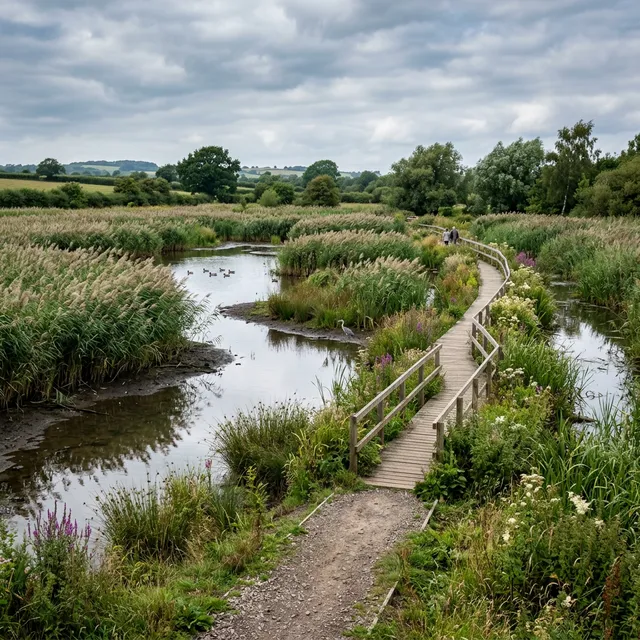
The Nature Restoration Levy offers an alternative route. Instead of each developer independently proving that their individual site will not harm the environment, the Act allows Natural England to prepare Environmental Delivery Plans at a strategic, landscape-scale level. These plans set out the conservation measures needed to protect and restore habitats across a defined area. Developers within that area can then pay the Nature Restoration Levy, and Natural England uses the funds to deliver the conservation measures at scale. The developer gets certainty and speed; the environment gets strategic, coordinated investment rather than piecemeal, site-by-site mitigation.
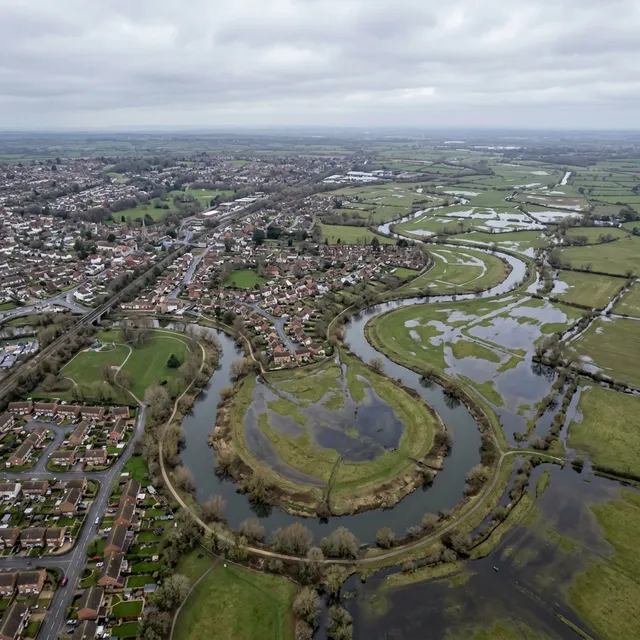
This is particularly significant for nutrient neutrality. Since 2022, tens of thousands of homes across England have been stalled by nutrient neutrality requirements in river catchments where protected habitats are in unfavourable condition due to phosphate and nitrate pollution. Natural England has already started reviewing catchment boundaries — the River Eden catchment in Cumbria was recently removed from nutrient neutrality requirements, unlocking around 50 stalled applications including over 500 affordable homes. The Nature Restoration Levy provides a systematic mechanism to address this at scale, rather than catchment by catchment.
Cost Comparison: Levy Versus Site-Specific Mitigation
For developers, the practical question is straightforward: will the levy be cheaper and faster than site-specific mitigation? The answer will depend on the levy rates, which Natural England will set through the Environmental Delivery Plans. Early indications suggest the levy will be calculated per dwelling or per hectare of development, with rates reflecting the actual cost of delivering strategic conservation measures in that area. For a scheme currently facing £15,000-£30,000 in bespoke ecological surveys and mitigation costs, a levy of £3,000-£5,000 per dwelling would represent a significant saving — and more importantly, it removes the uncertainty and delay.
How the Levy Interacts With Biodiversity Net Gain
The levy does not replace all environmental obligations. Biodiversity net gain remains a separate requirement — the 10% mandatory net gain is calculated through the BNG metric and must be delivered through on-site habitat, off-site habitat, or statutory biodiversity credits. The Nature Restoration Levy addresses a different category of obligation: the requirements arising from the Habitats Regulations, nutrient neutrality, and other protected site impacts. Think of it as two separate channels: BNG for general biodiversity uplift, and the Nature Restoration Levy for protected site compliance.
The timeline for implementation is still being finalised. Natural England is currently preparing the first Environmental Delivery Plans, and the levy mechanism will be phased in as these plans are adopted. Developers in nutrient neutrality catchments and areas near protected sites are likely to see the levy option become available first. For everyone else, the existing site-specific assessment route continues until an Environmental Delivery Plan covers your area.
There is also a new market in nutrient credits emerging alongside the levy. The first Conservation Covenant for nutrient neutrality using septic tank upgrades was launched in early 2026, allowing developers to purchase verified phosphorus and nitrogen credits directly. This market-based approach runs in parallel with the levy and gives developers additional options for meeting their environmental obligations.
What Developers Should Do Now
What should you do now? First, understand whether your site falls within a nutrient neutrality catchment or near a protected habitat site. If it does, the Nature Restoration Levy could significantly reduce your compliance costs and timeline once it becomes available for your area. Second, understand your BNG obligation separately — the levy does not cover this. Our Biodiversity Net Gain Screening report assesses both: it screens your site for BNG applicability, models the 10% metric requirement, and identifies whether your site is affected by protected habitat designations that could benefit from the Nature Restoration Levy route. It is the single report that maps your full ecological compliance picture.
Related Report
Feasibility Intelligence
Planning-ready intelligence from From £995 — delivered within 48hrs
Ready to get started?
Complete desktop planning intelligence for any site in England. From £295.